Creating Your First Monthly Budget
Building a budget doesn't have to be complicated or intimidating. Whether you're earning your first paycheck or taking control of your finances for the first time, this comprehensive guide will walk you through creating a practical monthly budget tailored to your Canadian income and expenses.
Why a Budget Matters More Than You Think
A budget is simply a plan for your money. It shows where your income goes and helps you make intentional decisions about spending. Many people avoid budgeting because they think it's restrictive, but the opposite is true—a budget actually gives you more financial freedom.
In Canada, the average household carries debt beyond mortgages, and many Canadians live paycheck to paycheck despite earning reasonable incomes. The difference between those who thrive financially and those who struggle often comes down to one thing: having a clear picture of their money.
- Know exactly where your money goes each month
- Reduce financial stress and anxiety
- Build savings systematically
- Prepare for unexpected expenses
- Work toward long-term financial goals
- Identify wasteful spending habits
A budget transforms vague financial worries into concrete, manageable action items.
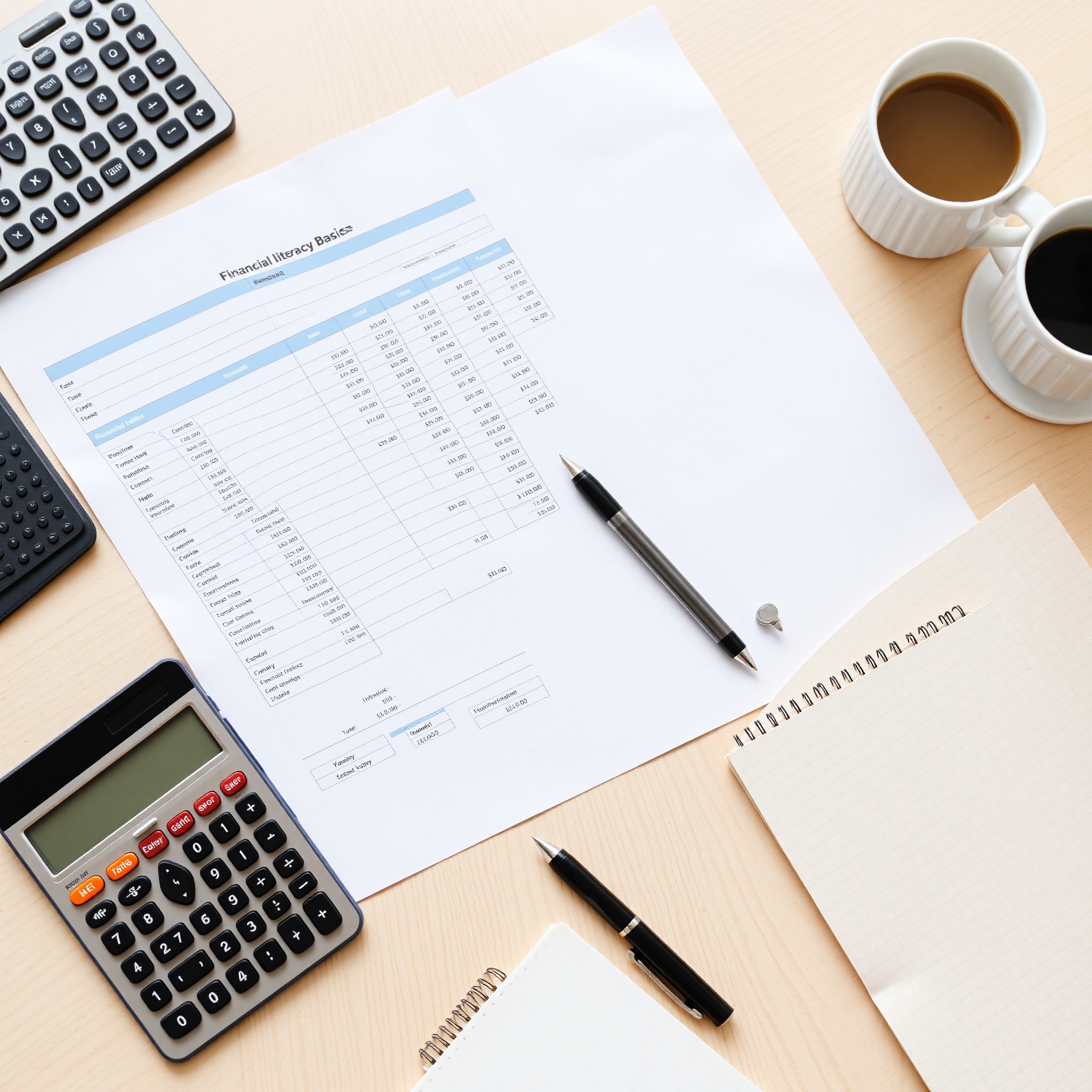
Five Simple Steps to Your First Budget
Creating a budget is a straightforward process. Follow these five essential steps to build a budget that works for your life and income level.
Track Your Monthly Income
Start by calculating your total monthly income. Include your primary employment, side gigs, freelance work, government benefits, and any other regular income. Use your net income (after taxes), not gross, as this is what actually hits your bank account.
List All Monthly Expenses
Write down every expense you can think of: rent/mortgage, utilities, groceries, transportation, insurance, subscriptions, personal care, and entertainment. Don't estimate—check your bank and credit card statements for the past three months to identify your actual spending patterns.
Categorize Your Spending
Group expenses into categories: housing, transportation, food, utilities, insurance, personal care, entertainment, and savings. This makes it easier to spot where money goes and identify areas to adjust. Many people are surprised by how much they spend on subscriptions and dining out.
Subtract Expenses from Income
Take your total monthly income and subtract all expenses. Ideally, you'll have money left over. If expenses exceed income, review discretionary spending (entertainment, dining, subscriptions) and look for areas to reduce. Every dollar should have a purpose.
Allocate Surplus and Review
If you have money left after expenses, decide where it goes: emergency fund, debt repayment, investments, or goals. Review your budget monthly for the first three months, then quarterly. Adjust categories as your life and income change.
Popular Budgeting Methods to Consider
There's no one-size-fits-all approach to budgeting. Different methods work for different personalities and financial situations. Here are three popular approaches used by Canadians:
The 50/30/20 Rule
Allocate 50% of your after-tax income to needs (housing, food, utilities), 30% to wants (entertainment, dining, hobbies), and 20% to savings and debt repayment. This simple framework provides clear guardrails and is especially helpful for beginners. However, it requires flexibility—in expensive Canadian cities, housing alone might exceed 50%.
Zero-Based Budgeting
With this method, every dollar of income is allocated to a specific category, and income minus expenses equals zero. It requires more attention but gives complete control over money. You decide where every dollar goes before spending it, which builds awareness and prevents wasteful spending.
The Envelope Method (Digital or Physical)
Divide your income into categories (envelopes) and allocate money to each. Once an envelope is empty, you stop spending in that category. This tangible approach works well for people who struggle with overspending. Many digital banking apps now offer envelope features.
Start with one method for two months. If it doesn't feel natural, try another. The best budget is one you'll actually stick to.

Tools to Simplify Your Budgeting
You don't need expensive software to budget effectively. Choose whatever tool works best for you:
- Spreadsheet (Excel/Google Sheets): Free, fully customizable, and portable. Perfect for those comfortable with formulas.
- Budgeting Apps: Apps like YNAB (You Need A Budget) and Wealthsimple offer automation and real-time tracking, though most require subscriptions.
- Bank Dashboard: Many Canadian banks (TD, RBC, BMO) offer spending categorization within their apps—free and integrated with your accounts.
- Pen and Paper: Simple, distraction-free, and effective for learning how budgeting works before automating.
- Combination Approach: Track spending in an app but review with a spreadsheet monthly for big-picture analysis.
Start simple. You can always upgrade to more sophisticated tools later. The most important thing is choosing a tool you'll actually use consistently.
Common Challenges and How to Overcome Them
Most people face similar obstacles when creating their first budget. Being aware of these challenges makes them much easier to navigate:
Challenge: "I Don't Know Where to Start"
Start by gathering three months of bank and credit card statements. List every transaction. Yes, it's tedious, but you'll quickly see patterns. Once you understand your actual spending, budgeting becomes clear.
Challenge: "My Expenses Exceed My Income"
This is fixable. Review discretionary spending first: subscriptions, dining out, entertainment. Can you reduce these? If not, explore your fixed expenses. Could you find more affordable housing, transportation, or insurance? You might also explore income-boosting options like a side gig.
Challenge: "I Can't Stick to My Budget"
Your budget might be too restrictive. Remember, budgeting isn't about deprivation—it's about intention. Allocate money for things you enjoy. If your budget allows $0 for dining out, you'll break it. Instead, allocate $60 and make it work.
Challenge: "My Income or Expenses Vary Each Month"
Use an average. Calculate your average income and expenses over three to six months, then budget based on the lower income figure. This creates a buffer for low-income months and surplus in high-income months.
Explore More Financial Topics
Continue building your financial literacy with these related articles: